Exploring the World of Herbs: A Natural Diary
The Ancient and Modern Uses of Herbs
Herbs have been an integral part of human history, serving various roles in medicinal, culinary, and spiritual practices across different cultures. The earliest recorded uses of herbs can be traced back to Traditional Chinese Medicine (TCM), Ayurveda, and Native American practices. In TCM, herbs like ginseng and ginger were utilized for their healing properties, believed to balance the body’s energy and promote overall well-being. Ayurveda, originating in India over 3,000 years ago, emphasized the use of herbs such as turmeric and ashwagandha to maintain health and treat various ailments. Native American tribes incorporated herbs like echinacea and sage into their healing rituals, recognizing their potential to cure and prevent diseases.
In the culinary realm, herbs have played a significant role in enhancing the flavor and nutritional value of food. Ancient Egyptians, Greeks, and Romans used herbs such as basil, rosemary, and thyme not only to season their dishes but also for their preservative qualities. Additionally, herbs held spiritual significance in many cultures. For instance, sage was burned in Native American ceremonies to purify and cleanse spaces, while the ancient Egyptians used myrrh and frankincense in religious rituals.
Transitioning to the modern day, herbs continue to be valued for their diverse applications. In contemporary medicine, herbs like echinacea and St. John’s wort are researched for their potential health benefits, including immune system support and mood enhancement. Aromatherapy, an alternative therapy, employs essential oils derived from herbs such as lavender and chamomile to promote relaxation and alleviate stress. In the culinary world, herbs remain a staple, with chefs and home cooks alike using them to add complexity and depth to their dishes.
Moreover, the beauty industry has embraced the power of herbs, incorporating them into skincare and haircare products. Lavender, known for its soothing properties, is often found in lotions and oils, while chamomile is prized for its anti-inflammatory effects. Turmeric, with its rich history in Ayurveda, is now a popular ingredient in face masks and creams, celebrated for its potential to brighten and even out skin tone.
The resurgence of interest in herbalism and natural remedies in today’s holistic health movement underscores a growing desire to return to nature for solutions to modern health challenges. This renewed focus on herbs reflects an appreciation for their time-tested benefits and a commitment to integrating natural practices into everyday life.
Growing and Harvesting Your Own Herbs
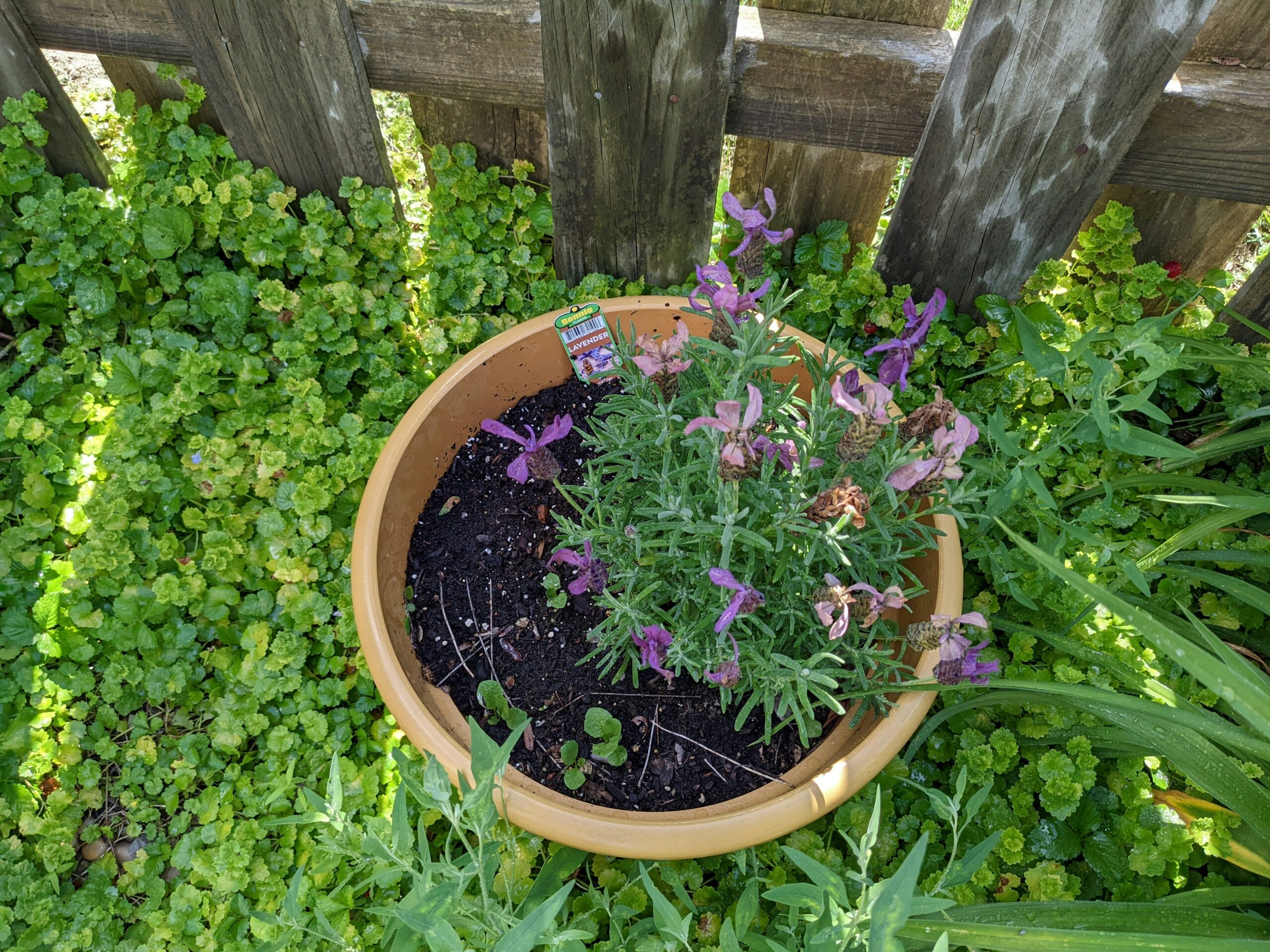
Embarking on the journey of growing your own herbs can be both rewarding and practical. Whether you have a sprawling garden, a compact balcony, or a cozy indoor windowsill, herb gardening provides a versatile approach to cultivating fresh ingredients. The first step is selecting the right herbs for your specific climate and space. Consider perennial herbs like rosemary and thyme if you have a garden, while annuals such as basil and cilantro thrive in containers.
Soil preparation is crucial for healthy herb growth. Most herbs prefer well-drained soil with a neutral pH. Mixing in organic compost can enrich the soil, providing essential nutrients. When planting, ensure each herb has adequate space to grow, as overcrowding can inhibit development. Watering habits are equally important; while most herbs prefer consistent moisture, it’s vital to avoid waterlogging the roots. Generally, watering once the top inch of soil is dry will suffice.
Sunlight is another key factor. Herbs typically require 6-8 hours of sunlight daily. If you’re growing herbs indoors, placing them near a south-facing window or under grow lights can replicate these conditions. Adopting organic practices is beneficial for both health and the environment. Avoiding synthetic pesticides and fertilizers preserves the natural potency and flavor of the herbs while promoting a sustainable ecosystem.
The harvesting process varies among herbs. For example, basil should be harvested just before it flowers to ensure maximum flavor, while mint and rosemary can be picked as needed once the plants are established. Use sharp scissors or pruning shears to cut the herbs, which helps avoid damaging the plant. Morning is often the best time to harvest, as essential oils are most concentrated then.
Easy-to-grow herbs like basil, mint, and rosemary are perfect for beginners. Basil seeds can be sown directly into the soil after the last frost, while mint and rosemary can be propagated from cuttings. Regular pruning encourages bushier growth and prevents flowering, which can alter the taste.
To preserve your herbs, consider drying, freezing, or making herbal oils and tinctures. Drying can be done by hanging small bundles upside down in a dark, airy space, while freezing involves chopping the herbs and placing them in ice cube trays with water or olive oil. Herbal oils and tinctures offer a concentrated way to enjoy herbs year-round, preserving their essence for culinary and medicinal uses.